
laminated safety glass for sale
Types of Micrometer: field notes, hard specs, and a few honest surprises If you’ve ever tried to settle a tolerance dispute at 7:30 a.m. with coffee in one hand and a Go/No‑Go decision in the other, you already know: picking the right types of micrometer is not just a catalog exercise. It’s survival. Below is what’s actually working in shops right now—plus a closer look at a granite-frame unit that’s been quietly making fans in precision labs. What the market is buying in 2025 Trends I keep hearing from QA leads: less operator friction, more thermal stability, and data capture that doesn’t fight the MES. Here’s the quick map of types of micrometer most teams shortlist: Outside micrometers (analog, digital, ratchet/friction thimble) Inside and 3‑point bore micrometers Depth micrometers Specialty: blade, ball, tube, groove, spline, gear‑tooth, thread micrometers Bench/fixture micrometers for repetitive production checks And, increasingly, granite/marble micrometers for high‑stability lab work Spotlight: Measuring Micrometer (granite/marble) Origin: No.17, Building 11, Hardware Building Material City, Botou, Cangzhou, Hebei, China. This unit swaps the classic cast‑iron frame for granite/marble—non‑magnetic, non‑rusting, and impressively creep‑resistant. In metrology rooms that struggle with thermal drift, that’s gold. The texture is uniform, so under heavy loads it stays calm, which, to be honest, is what you want when you’re chasing microns. Parameter Spec (≈ real-world) Measuring range 0–25 mm, 25–50 mm, 50–100 mm options Resolution 0.001 mm (digital), 0.01 mm (analog) Accuracy (20±1 °C) ±2 μm (0–25 mm), ±3 μm (25–50 mm) Frame material Granite/marble, high‑stability, non‑magnetic Contact faces Lapped faces; carbide‑tipped optional Finish & flatness Mirror‑lapped; flatness ≤0.5 μm across faces Service life 10+ years with routine lapping & cleanroom care Vendor snapshot (what buyers compare) Vendor Core strength Customization Certs Lead time STR Machinery (granite) Thermal stability, non‑magnetic frames Size, faces, data ports ISO 9001; ISO 17025 partner labs ≈15–30 days Mitutoyo Digital integration, ecosystem Moderate ISO/ASME compliant Stock–short Starrett Build quality, analog feel Low–moderate ASME/DIN compliant Stock–medium Process, standards, and test data Materials: dense granite with uniform grain; Methods: rough saw → stress relief → precision lapping → face lapping → assembly → calibration. Testing: gauge blocks per ISO 3650; performance to ISO 3611 / ASME B89.1.13; environmental at 20±1 °C, 45–55% RH. Sample lot data (n=30) showed MPE 1.8 μm at 0–25 mm and repeatability σ ≈ 0.4 μm. Service life is extended by periodic relapping and clean handling (no coolant exposure—granite is acid/alkali resistant but cleanliness still matters). Applications and quick cases Automotive shims and valve train parts: reduced drift vs metal frames by ~25% across a 2°C swing. Semiconductor fixtures: non‑magnetic frame avoided probe interference; operators liked the “dead quiet” feel. Medical device cannulas: depth checks paired with types of micrometer using blade anvils for thin walls. Customer feedback: “Holds zero all morning,” one QA supervisor told me, “and honestly, that’s what we pay for.” Customization STR supports custom ranges, carbide faces, ratchet or friction thimble, and SPC output. For mixed lines, I suggest a hybrid bench: granite frame + digital head with data cable. That’s the sweet spot for most types of micrometer deployments. If you’re speccing a lab or stabilizing a touchy line, the granite approach is worth a look—less drama, more repeatability. Authoritative citations ISO 3611: Micrometers for external measurement — Specifications. ASME B89.1.13: Micrometers, Standard. DIN 863: Micrometers — Technical delivery conditions. ISO 3650: Gauge blocks — Specifications (for calibration reference). ISO/IEC 17025: General requirements for the competence of testing and calibration laboratories.
about
laminated safety glass for sale
The Plain vs. Block Debate An Exploration of Simplicity and Structure in Design In the realms of design and architecture, the concepts of plain and block often surface in discussions about aesthetics, functionality, and user experience. Each term carries its own connotations and evokes distinct philosophies, shaping the way designers approach their projects. This article delves into the dichotomy between plain design—characterized by simplicity and minimalism—and block design, noted for its structure and multifaceted forms. Understanding Plain Design At its core, plain design champions minimalism. It revolves around the idea that less is more, where simplicity takes precedence over embellishment. This approach focuses on clean lines, neutral colors, and a lack of unnecessary ornamentation. The motivations behind plain design include a desire for clarity and the elimination of distraction. Designers who adopt this style aim to create spaces and objects that allow users to engage fully with the essential function without being overwhelmed by visual noise. One of the most prevalent examples of plain design can be seen in Scandinavian design philosophy. Pioneers such as Alvar Aalto and Arne Jacobsen emphasized the importance of functionality while embracing simplicity. Their work demonstrates how a plain aesthetic can lead to emotional warmth and a connection to natural materials. Furthermore, the rise of minimalism in modern architecture and interior design reflects a broader cultural shift towards mindfulness and intentional living. The Appeal of Block Design On the other end of the spectrum lies block design, which often emphasizes structure and solidity. Block design is characterized by geometric shapes, bold forms, and a stronger presence. This style can create a sense of security and permanence, appealing to those who value robustness in their surroundings. Block design often incorporates materials such as concrete, steel, and glass, aligning with contemporary architectural trends that highlight urban environments and industrial aesthetics. plain v block Block design can be seen in various applications, from urban planning to product design. Skyscrapers like the Willis Tower in Chicago exhibit block characteristics through their towering forms that dominate city skylines, while modular furniture designs use block principles to create versatile, functional pieces. The emphasis on substantiality and versatility reflects a growing need for designs that can adapt to various uses while maintaining their structural integrity. Contrasting Philosophies The core difference between plain and block design lies in their underlying philosophies. Plain design seeks to strip away the superfluous to emphasize clarity and ease of use. It believes that the essence of a space or object should speak for itself, with an emphasis on the materials and craftsmanship. In contrast, block design embraces complexity and structure, often inviting users to engage with a multifaceted experience. Both approaches have their merits, and the choice between them often depends on the context of the project and the intended audience. Hybrid Approaches Rather than viewing plain and block design as mutually exclusive, many contemporary designers adopt hybrid approaches that incorporate elements of both styles. This fusion allows for creativity while also fulfilling functional requirements. For example, a building may feature a plain, minimalist facade but utilize block-like structures inside for spatial division and functionality. Such blends can result in innovative designs that cater to varying user preferences and needs. Conclusion The debate between plain and block design encapsulates a broader conversation about the role of aesthetics in our lives. Whether we lean towards the serenity of minimalism or the strength of structured forms, understanding the implications of our design choices can lead to more thoughtful creations. Ultimately, the dialogue between simple and substantial informs not just the built environment but also how we interact with the world around us, guiding us toward spaces that reflect our values and enhance our experiences. As we navigate this balance, we can appreciate the beauty in both plain and block designs, recognizing that each has its place in the tapestry of human creativity.
-

High quality industrial productsagement

High quality industrial products
View Details -

Meet the diverse needs of customers

Meet the diverse needs of customers
View Details -

Strict quality control

Strict quality control
View Details -

Top raw materials

Top raw materials
View Details -

Trusted supplier

Trusted supplier
View Details
Our application
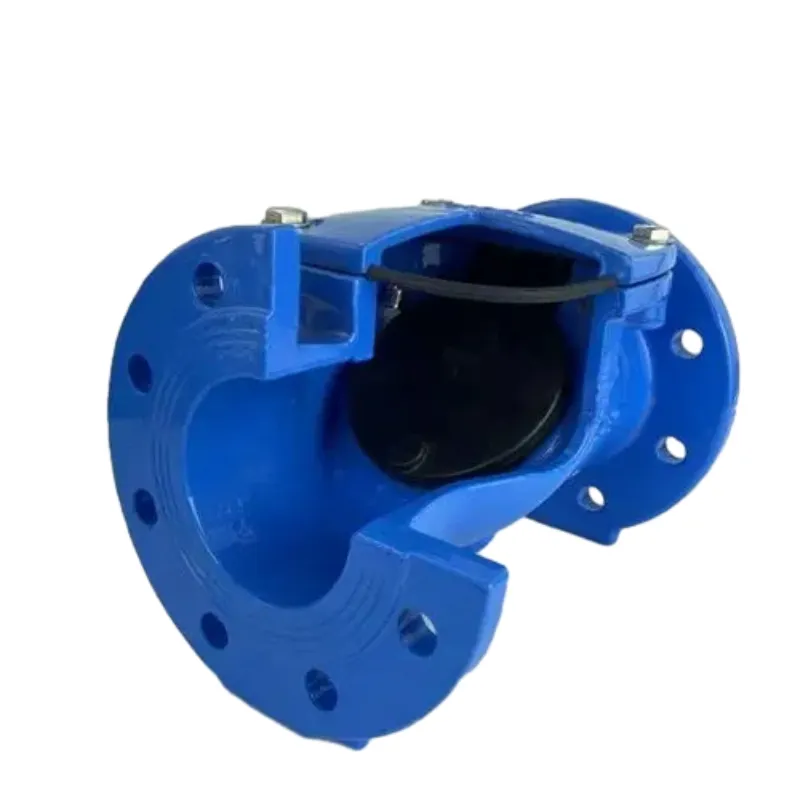
news and information
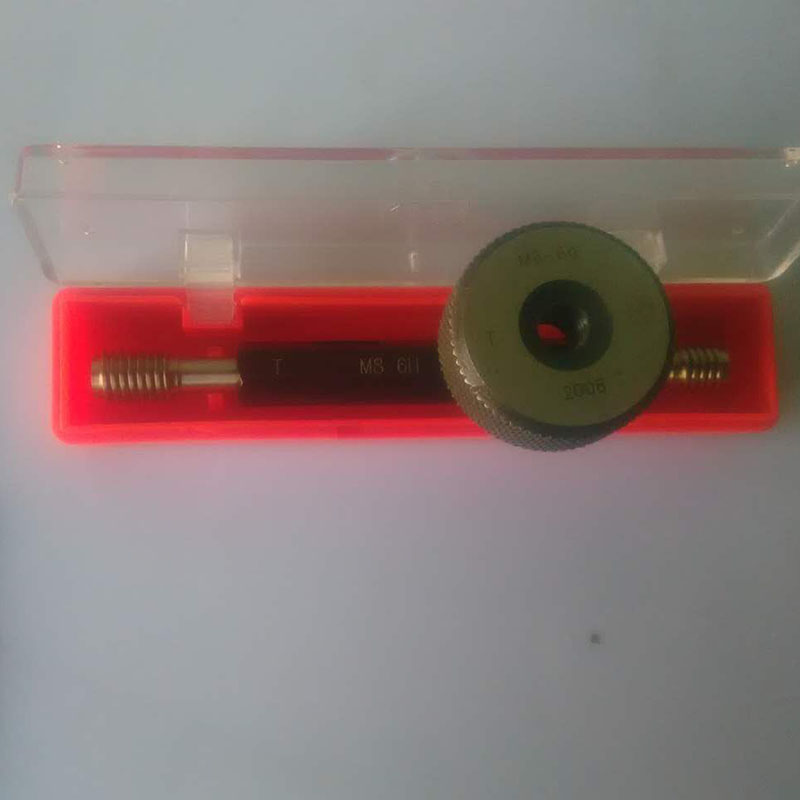
Vente de clapets anti - retour
Vente de vannes anti-retour Un choix judicieux pour votre système hydraulique Les vannes anti-retou
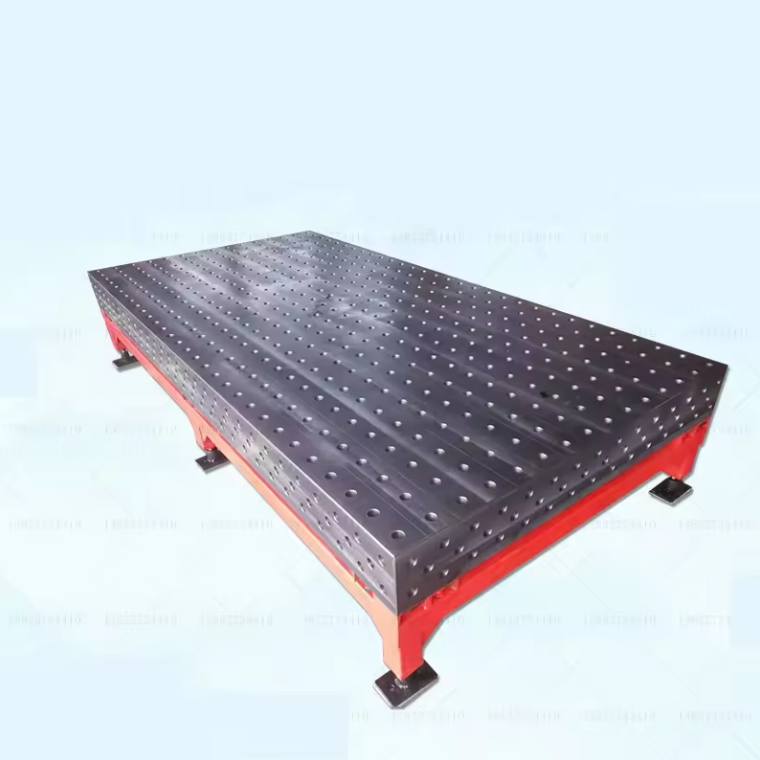
V Blocks for Sale_ Types, Uses, and Best Heavy-Duty Frame V Options
V blocks and Vee blocks are essential tools in machining, metalworking, and inspection processes. Th
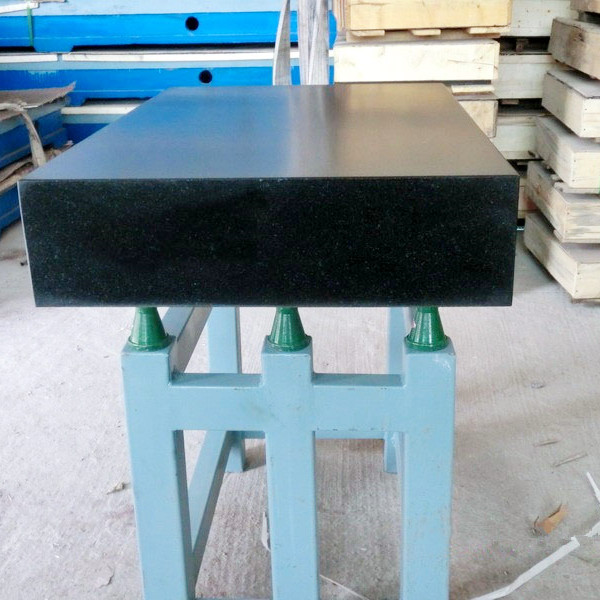
water pressure control valve
Understanding Water Pressure Control Valves Water pressure control valves are essential components i
 English